A weeping speedometer cable port is one of the most common slow transmission leaks on a 240Z still seeing regular use. The usual culprit is the O-ring on the speedometer pinion sleeve — a small rubber seal that’s been compressed against the rear extension housing since the early 1970s. Left alone, gear oil seeps down the tunnel carpet and eventually accelerates wear on the pinion gear itself, which produces a wandering or dead speedometer needle.
The fix is a short afternoon job. The pinion sleeve sits on the outside of the rear extension housing and comes out without dropping the gearbox.
Background
The 240Z uses a fully mechanical speedometer drive. A steel drive gear pressed onto the main shaft spins a small pinion gear housed inside a removable sleeve that locks into the rear extension. The speedometer cable plugs into the top of the sleeve and carries the rotational signal forward to the cluster.
The sleeve assembly has four parts: the sleeve body that seats in the extension bore, the pinion gear inside it, a retaining pin that keeps the gear captive, and an O-ring that seals the sleeve against the housing. The O-ring is the weak link — rubber hardened over 50 years has no flexibility left, and pressure from the gear oil inside the extension does the rest.
F4W71A four-speed transmissions use a 17/6 speedometer drive ratio. The FS5C71A five-speed, fitted in some markets, uses 19/6. Parts are not interchangeable between the two, so confirm which gearbox you have before ordering anything.
Specs at a Glance
| Spec | Value |
|---|---|
| Locking plate bolt — speedometer pinion sleeve | 0.3 to 0.6 kg-m (2.2 to 4.3 ft-lb) |
| Speedometer drive ratio — F4W71A 4-speed | 17/6 |
| Speedometer drive ratio — FS5C71A 5-speed | 19/6 |
Tools
| Tool | Buy | |
|---|---|---|
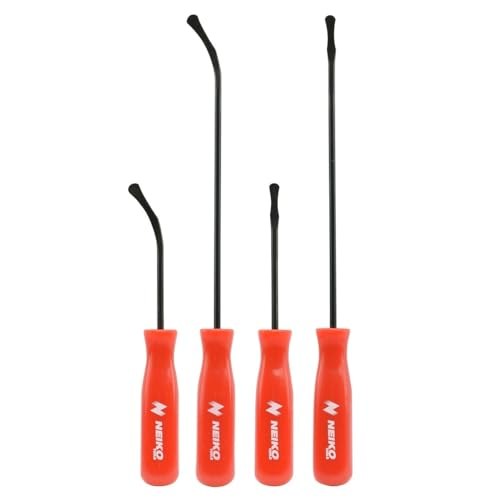 | O-ring pick tool or dental pick | Buy  |
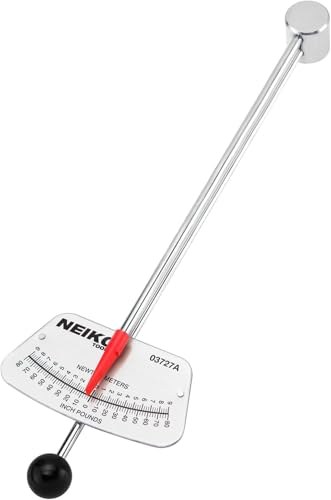 | Torque wrench capable of low-range (under 5 ft-lb | Buy |


Also:
- Ratchet and metric socket set (8 mm and 10 mm for the locking plate bolt
- Small needle-nose pliers
- Shop rags and a small drain pan for residual gear oil
Parts
| Part | Recommended part | |
|---|---|---|
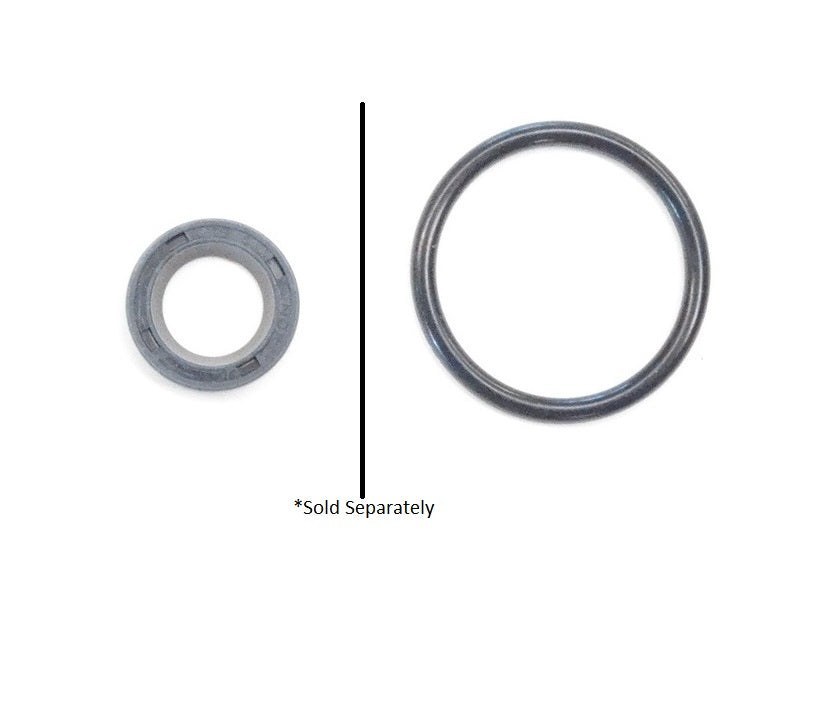 | Speedometer pinion O-ring set | Buy at ZCarDepot |
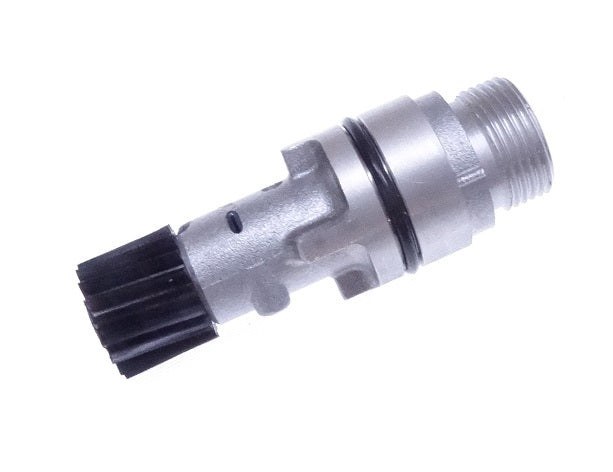 | Speedometer pinion gear (17-tooth, 3.54 ratio) | Buy at ZCarDepot |
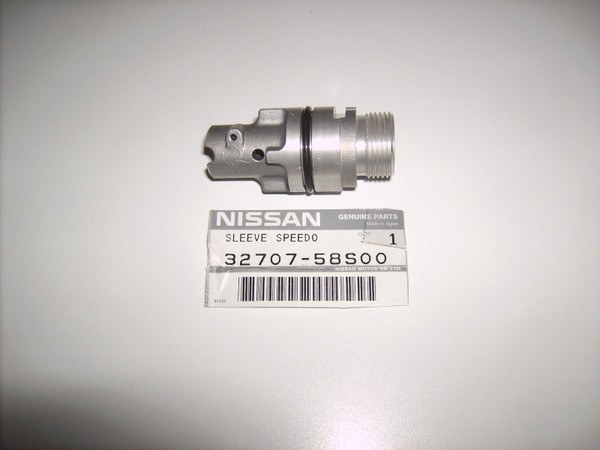 | Speedometer pinion sleeve (manual transmission) | Buy at Datnissparts |


Procedure
1. Identify your transmission
Count the forward gear positions or check the data plate. F4W71A is the standard four-speed; the FS5C71A five-speed was fitted to some export markets. This matters before ordering the sleeve or pinion — the drive ratios differ and the parts are not cross-compatible.
2. Find the pinion sleeve
Follow the speedometer cable from the firewall bulkhead backward along the transmission tunnel. The cable terminates at the speedometer pinion sleeve, which pokes out of the top of the rear extension housing (the tapered tailhousing behind the main transmission case). A small stamped steel locking plate with a single bolt holds the sleeve from rotating or backing out.
3. Disconnect the speedometer cable
Slide the outer ferrule back and unthread or unclip the cable fitting from the sleeve. Original fittings typically have a rotating collar; later replacements may use a simple hex nut. Put a rag under the joint — a small amount of gear oil around the fitting is normal on a leaking unit.
4. Remove the locking plate bolt and sleeve
Back out the locking plate bolt with an 8 mm or 10 mm socket. Once loose, swing the locking plate clear of the sleeve flange and pull the sleeve straight out of the housing bore. If it resists, twist gently while pulling — the O-ring will be sticking. Don’t pry against the extension housing.
Set the sleeve on a clean rag and note the orientation of the retaining pin (the small cross-pin that runs through the sleeve body perpendicular to the pinion gear).
5. Inspect what you have
Work through these checks before deciding whether to replace just the O-ring or the full sleeve assembly:
- O-ring — on any S30 that hasn’t had this serviced recently, replace it regardless of appearance. Hardened rubber that looks intact at a glance will fail again within months once it’s compressed and re-exposed to hot gear oil.
- Pinion gear teeth — roll the pinion between your fingers and look at the tooth faces. Chipped, hooked, or shiny-flat teeth mean the gear has been running unlubricated or against a misaligned drive gear. Replace the pinion if you see any of this.
- Sleeve bore — run a fingernail along the bore where the pinion rides. Deep axial scoring means the retaining pin failed at some point and the pinion was spinning loose inside the sleeve. Replace the full sleeve in that case.
6. Replace the O-ring
Pry the old O-ring out of its groove with the pick tool. Clean the groove thoroughly before fitting the new ring — dried rubber and debris cake into the groove and prevent the new ring from seating flat, which guarantees another leak. Install the new O-ring dry, without sealant or grease. Adding lubricant allows the ring to roll out of the groove as the sleeve is pushed into the housing bore.
If the full sleeve assembly is being replaced, transfer the pinion gear and retaining pin to the new sleeve, or fit a pre-assembled unit if the supplier includes the gear.
7. Reinstall the sleeve
Apply a light film of fresh gear oil to the outside of the new O-ring and to the housing bore where the sleeve seats. Push the sleeve straight in — it reaches full depth when the retaining pin groove in the sleeve body aligns with the housing bore and the sleeve flange sits flush. Swing the locking plate back over the flange and thread the bolt in by hand.
Torque the locking plate bolt to 0.3 to 0.6 kg-m (2.2 to 4.3 ft-lb). This is intentionally light; the extension housing in this area is soft aluminum and the locking plate tab is thin. Overtightening strips threads or cracks the tab. Add a small drop of medium-strength thread locker to the bolt — at this torque range, vibration will back it out over time without it.
8. Reconnect the speedometer cable
Thread the cable fitting back onto the sleeve and seat the ferrule. Start the engine or take the car for a brief roll to confirm the speedometer needle responds before buttoning everything up.
Common Mistakes and Troubleshooting
Still leaking after replacement. Almost always a dirty O-ring groove. Debris left in the groove holds the new ring off the bore wall, and it never seals. Pull the sleeve, clean the groove with a pick, and reinstall.
Speedometer reads high or low after reassembly. Wrong pinion installed — 17/6 in a five-speed, 19/6 in a four-speed, or a pinion purchased for the wrong application. Cross-check the ratio in the table above against what came out.
Locking plate bolt backs out. No thread locker was used. At this low a torque spec, the bolt will vibrate out on rough roads. Apply medium-strength thread locker (not permanent) and re-torque.
Pinion spins freely when you pull the sleeve instead of staying seated inside it. The retaining pin has sheared or walked out. Inspect the pin groove for damage and replace the pin. A loose pinion also causes accelerated wear on the drive gear — check the main shaft drive gear for damage at the next transmission service.
Verification and Follow-Up
With the cable reconnected, drive the car and confirm the speedometer tracks smoothly without hunting or sticking. Check the sleeve-to-housing joint for seepage after the first heat cycle — a small amount of residual oil may wick out on the first drive, but the joint should be dry thereafter.
Check the locking plate bolt torque at the first oil change following this repair.